- October 21, 2026
- No Comment
How Fleet Readiness Helps Contractors Reduce Downtime on Site
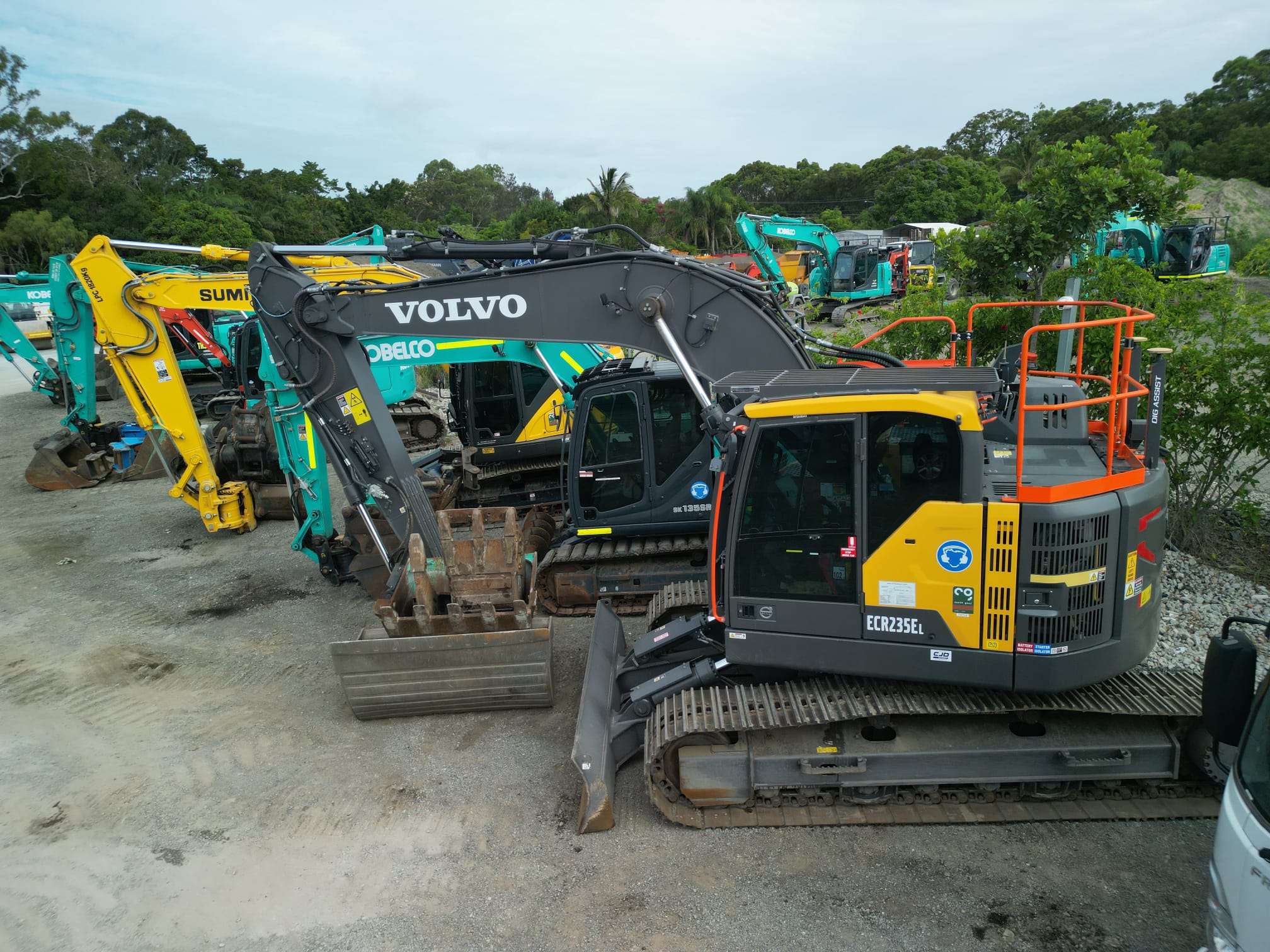
Presented by Earth Gear Australia
Downtime rarely starts when a machine stops. On civil sites, it often starts earlier: when a machine is accepted as “available” without being physically validated, a service interval is pushed
past a production window, a hydraulic issue is monitored rather than addressed, or no replacement path has been agreed for plant on the critical path.
For contractors managing staged civil works, road construction, utilities, bulk earthworks or infrastructure programmes, fleet readiness means having the correct machine, attachments, compliance documentation, transport plan and support pathway in place before the sequence depends on them.
That requires discipline from both the contractor and the equipment supplier. Here is where downtime risk can be controlled, and how a civil dry hire partner such as earth gear can support that work.
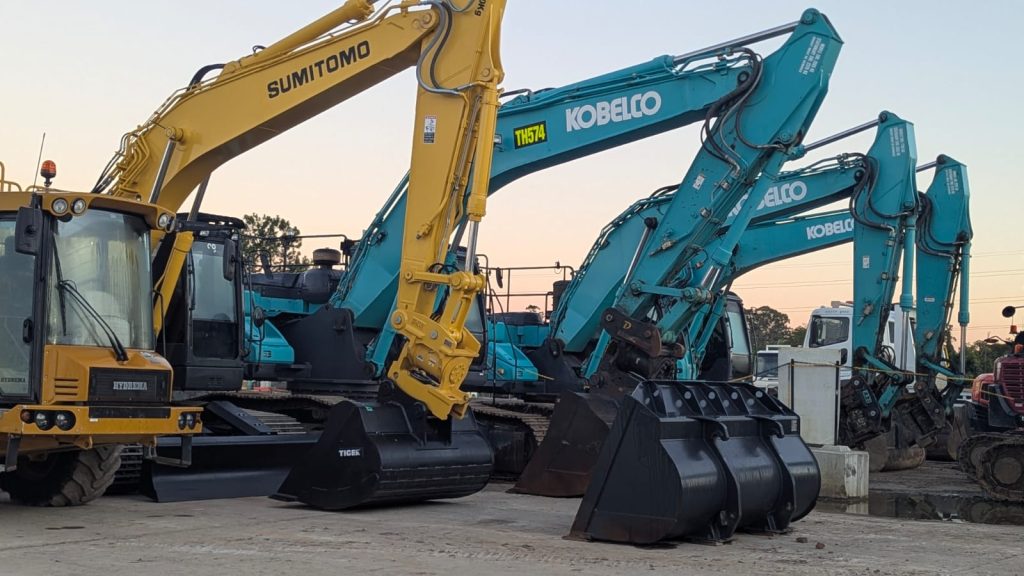
Treat machine readiness as a critical-path risk
Rank plant by schedule exposure, not just utilisation. A non-critical roller down for half a day may be inconvenient. A primary excavator down during trenching, culvert works or bulk cut can stop
crews, hold up downstream activities and force re-sequencing.
Separate the fleet into practical risk tiers:
● Critical-path machines: Failure directly delays a milestone or blocks multiple workfronts.
● High-utilisation support machines: Failure reduces output but can often be managed in the short term.
● Flexible or replaceable machines: Failure is inconvenient but does not materially affect the programme.
Not every machine needs the same redundancy strategy. For critical excavators, loaders or compaction plant, confirm an alternative before the job starts, whether that is owned standby
capacity, pre-arranged dry hire, an attachment transfer or an agreed supplier response process.
Move beyond “available” and verify operational readiness
A machine showing as available in a fleet system is not automatically ready for productive work. Before mobilisation, the equipment supplier should verify that the allocated machine is ready for
dispatch and suited to the intended scope and operating conditions.
For critical plant, the readiness check should cover:
● Service status, open defects and the condition of tracks, tyres, GET, pins, bushes and hoses.
● Attachment compatibility, hitch arrangement and required hydraulic flow.
● GPS or machine-control setup and calibration, where specified.
● Current plant documentation and any project-specific compliance requirements.
● Float availability, route or access restrictions, permits and the agreed delivery window.
This is one reason machine age and condition matter when selecting a supplier. earth gear maintains a late-model, low-hour fleet, with an average machine age of approximately one year. Before dispatch, its team ensures equipment is properly checked and prepared for the work ahead. This proactive approach helps contractors avoid unnecessary delays and gives them confidence that their hired machinery is ready for productive work upon arrival.
The objective is to identify configuration or readiness problems before a machine is committed to a workfront, not after the operator and downstream crew are waiting.
Focus inspections on failures that actually stop production
Equipment downtime can arise from
predictable failure modes, particularly in hydraulics, undercarriages and
cooling or emissions systems.
Hydraulic contamination, heat, worn
seals, restricted suction and neglected filters can progress into pump, valve
or cylinder failure. Weak lift under load, abnormal noise, slow response,
rising temperature or fresh leaks deserve prompt assessment on critical-path
machines.
For tracked plant, abrasive ground,
inappropriate track tension, constant counter-rotation and poor cleaning can
accelerate undercarriage wear. Cooling faults, blocked radiators and
aftertreatment alerts can also lead to derates or shutdowns during production.
The inspection routine should reflect the
machine’s duty and ground conditions, rather than relying on a generic
pre-start alone.
Schedule maintenance around production windows
Preventive maintenance helps protect equipment uptime, but its timing matters. Scheduling servicing around the works programme reduces the risk of maintenance interruptions during critical production periods.
Actual machine hours, task intensity and site conditions matter alongside the manufacturer’s service interval. Dust, abrasive soils, rock, wet conditions and attachment-heavy work can change
inspection and servicing priorities. Queensland’s Managing risks of plant in the workplace Code of Practice also provides guidance on plant inspection and maintenance.
Strong project teams identify machines that can be stood down after hours or between stages, and those that cannot be interrupted once a critical activity begins. They also give the supplier
sufficient visibility of the programme to coordinate necessary servicing.
At earth gear, machine readiness and maintenance status are checked before dispatch. By sharing anticipated operating hours and the planned sequence of works, contractors can coordinate any servicing required during the hire period with the earth gear team.
The aim is not to eliminate maintenance interruptions altogether. It is to move servicing into controlled windows rather than lose machines during live production.
Use machine data, but act on it
Telematics, fault codes and fluid
analysis are valuable only when they trigger decisions. Engine hours, idle
time, temperature trends, fault history and oil condition can indicate
deteriorating performance before a machine stops.
For high-consequence plant, establish who
reviews the data, who authorises a service intervention and when a repair
concern becomes a replacement discussion. Where condition monitoring is
available, look for trends rather than relying on isolated readings.
A fault alert that sits unread is not a
readiness control. It is simply another missed warning.
Build redundancy into the plan, not the emergency
A contractor does not need spare machines
standing idle across every site. But for critical plant, there should be a
clear answer to: “What happens if this machine goes down at 10 am on a
Tuesday?”
Agree the contingency before
mobilisation:
● Is a suitable replacement available, and what are the lead-time and
location constraints?
● Can the attachment be transferred, or is another compatible unit
needed?
● Who approves a repair-versus-replacement decision?
● Can transport and site documentation be arranged without a second
delay?
● What response and escalation commitments are documented?
earth gear backs its hire fleet with a
four-hour breakdown commitment: if a breakdown is not fixed within four hours,
the day’s hire is free, subject to the applicable terms and conditions.
Dry hire can support this contingency
model by adding capacity during peak demand or planned servicing without
permanently expanding the owned fleet.
Review the own/hire mix honestly
The own-versus-hire decision should
follow utilisation, reliability and schedule exposure, not habit. Machines
working consistently across the year may justify ownership; equipment with
uneven utilisation, rising repair costs or limited suitability for upcoming
scopes may be better covered through planned hire.
Useful questions include whether the
machine still meets the project’s requirements, whether reliability is
deteriorating and whether the programme needs it continuously or only during
specific stages.
For contractors working across South East
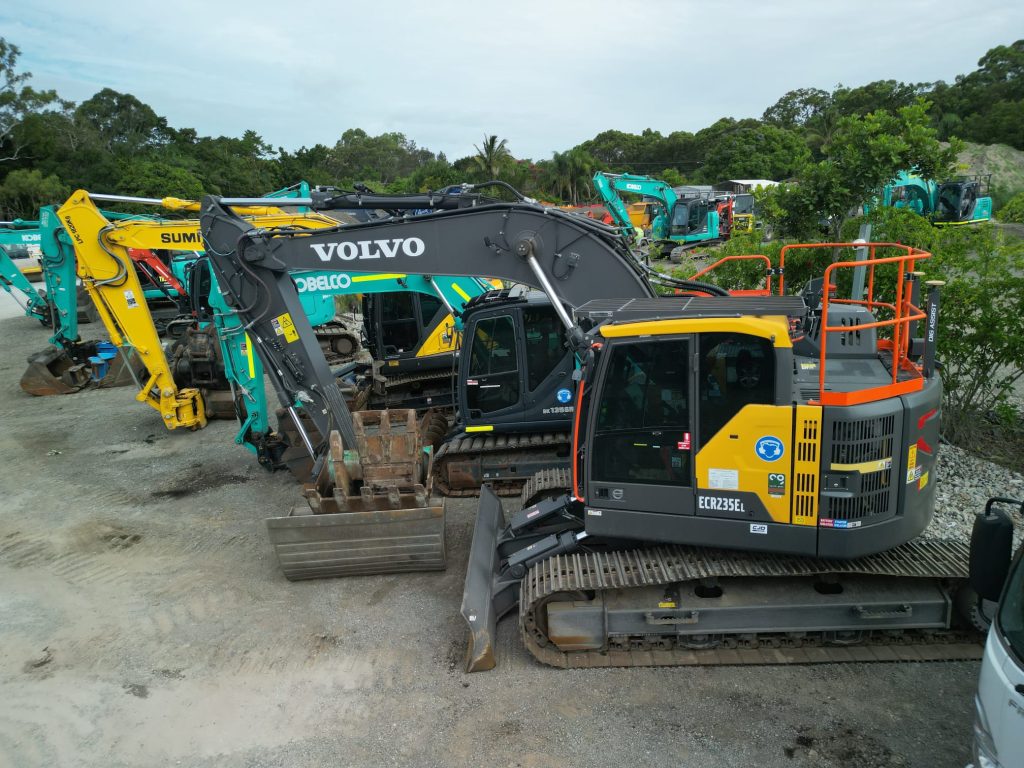
Queensland, earth gear’s Brisbane excavator hire fleet
offers an option for supplementing owned plant with late-model equipment during
defined civil work packages. Availability, machine class and any specialist
configuration should be confirmed against the programme.
A mature fleet strategy often means
owning the core and hiring the flexibility, rather than carrying ageing or
underused machines through every stage.
Do not leave attachments and mobilisation out of readiness
A mechanically sound excavator is not ready if it arrives without the right attachment, hitch or hydraulic arrangement. The same applies when the float is not booked, the access route is
unsuitable or documentation is incomplete.
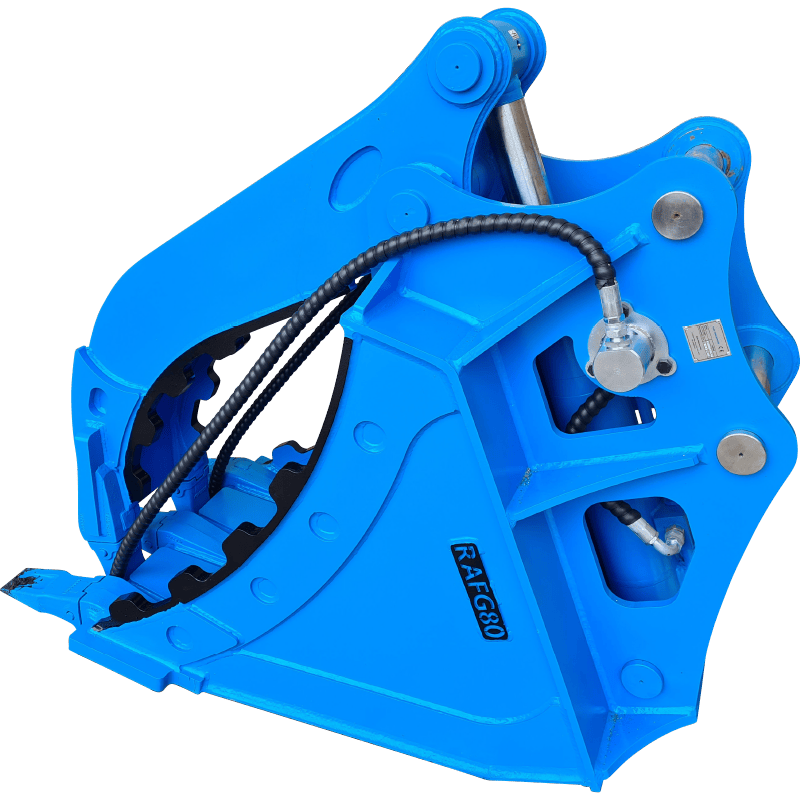
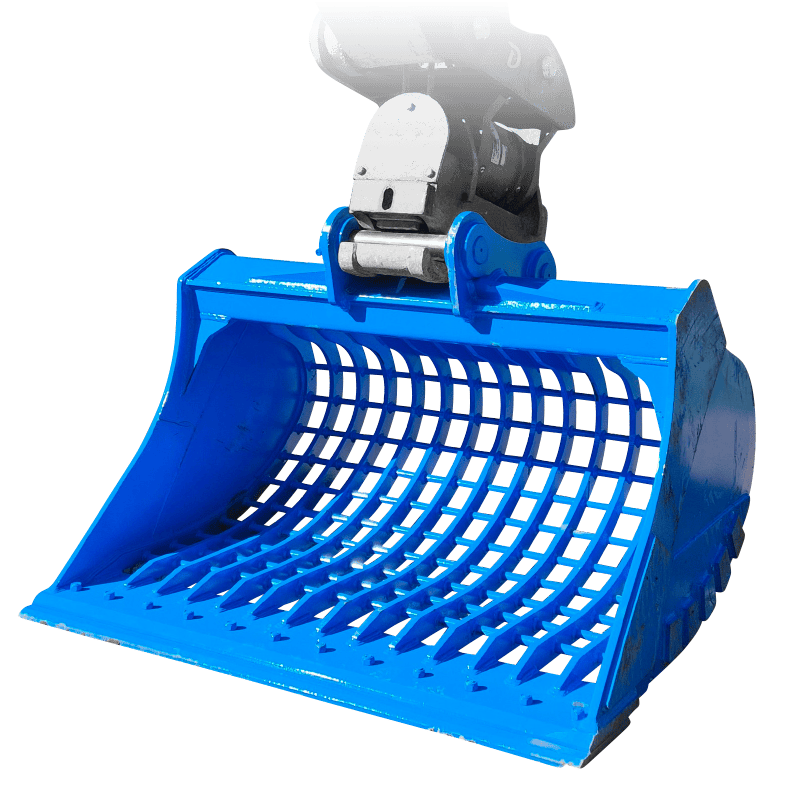
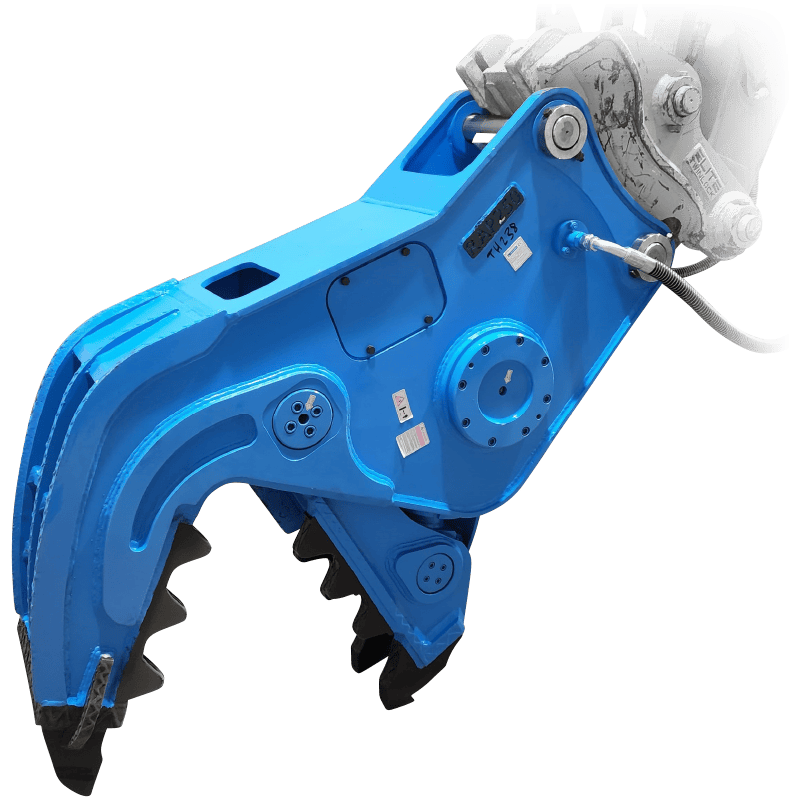
earth gear supplies a broad range of excavator attachments for hire, including hydraulic breakers, pulverisers, grabs, augers, rock saws, compaction wheels and plates. Contractors can plan the machine-and-attachment package together, rather than sourcing a missing attachment after the workfront is scheduled to start. GPS-ready options are also available where machine control is part of the scope.
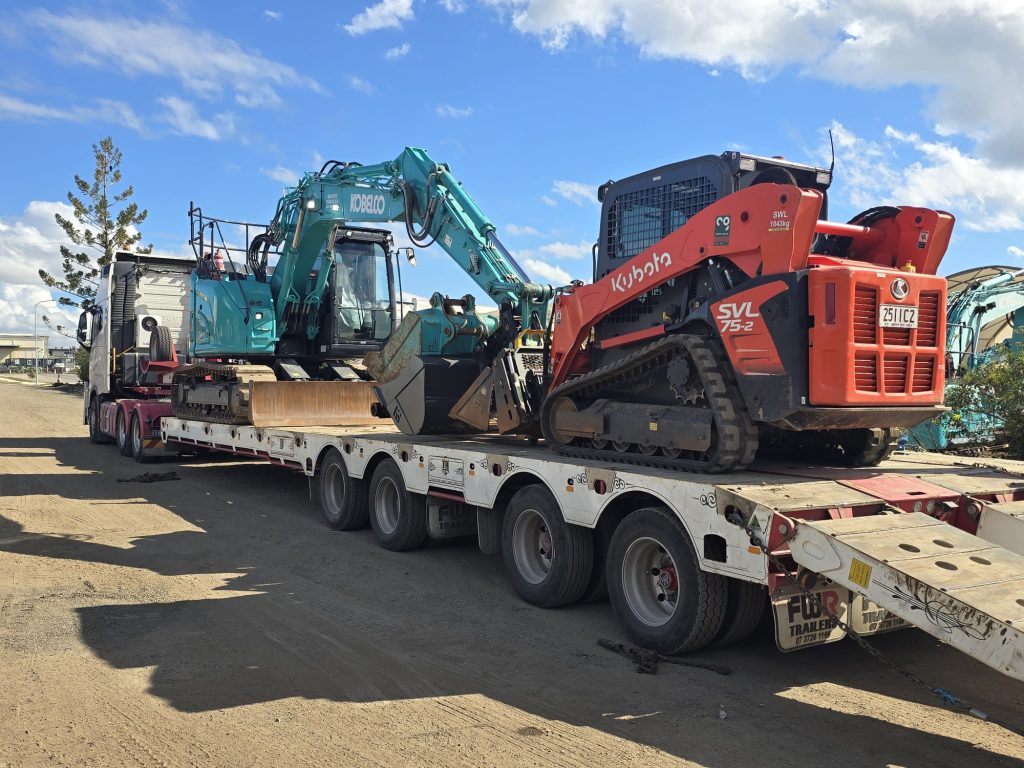
Mobilisation deserves equal attention. earth gear operates its own transport fleet and backs its equipment supply with a delivery commitment: if equipment is not delivered within one hour of the promised time, delivery is free, subject to the applicable terms and conditions.
This commitment relates to the agreed delivery time, with transport planning, site access and any necessary permits coordinated before mobilisation.
For infrastructure and government-led works, the documentation required for site acceptance, including plant assessments and inspection records, should be confirmed before dispatch.
Operator VOC requirements and site inductions must also be planned by the relevant parties.
The readiness question is not “Has the machine arrived?” It is “Can it start productive work when it arrives?”
What a ready-to-work fleet looks like with earth gear
For civil contractors coordinating work
across Brisbane, the Sunshine Coast, wider Queensland and Northern NSW, earth
gear combines near-new dry hire machinery with attachment options, transport coordination and
clearly defined delivery and breakdown commitments.
Its fleet covers excavators, tracked and
wheeled loaders, compaction equipment, dumpers, tippers and water trucks,
allowing contractors to discuss multiple plant requirements with one supplier.
The value is not simply access to
equipment. It is being able to align machine condition, configuration,
mobilisation and support with the sequence of works. For critical hires,
contractors can work with earth gear to coordinate equipment selection, site
requirements, service needs and contingency arrangements before mobilisation.
Downtime reduction is a system, not a reaction
Fleet readiness shifts the focus from
reacting to breakdowns to controlling the conditions that create them:
prioritising critical-path plant, validating machines before mobilisation,
maintaining around production windows, acting on warning data and agreeing a
realistic backup path.
For contractors, the gain is not simply
lower repair costs. It is fewer workfront interruptions, less re-sequencing and
better control over milestones when project conditions change.
If an upcoming project requires
supplementary machines or attachments, speak with
earth gear about the planned workfronts, mobilisation dates and
support requirements.
A fleet is ready only when the right
plant can start productive work at the point the programme needs it.