- June 25, 2026
- No Comment
From Crate Engines to Turnkey Power Units: Choosing the Right Level of Integration
Presented by Isuzu Power Solutions
When it comes to diesel power, there’s no single ‘right’ way to package an engine.
Some applications call for a straightforward engine block. Others demand a fully integrated, ready-to-run power unit. And increasingly, many fall somewhere in between.
Understanding where your application sits in that range is key to achieving the right balance of performance, efficiency and reliability.
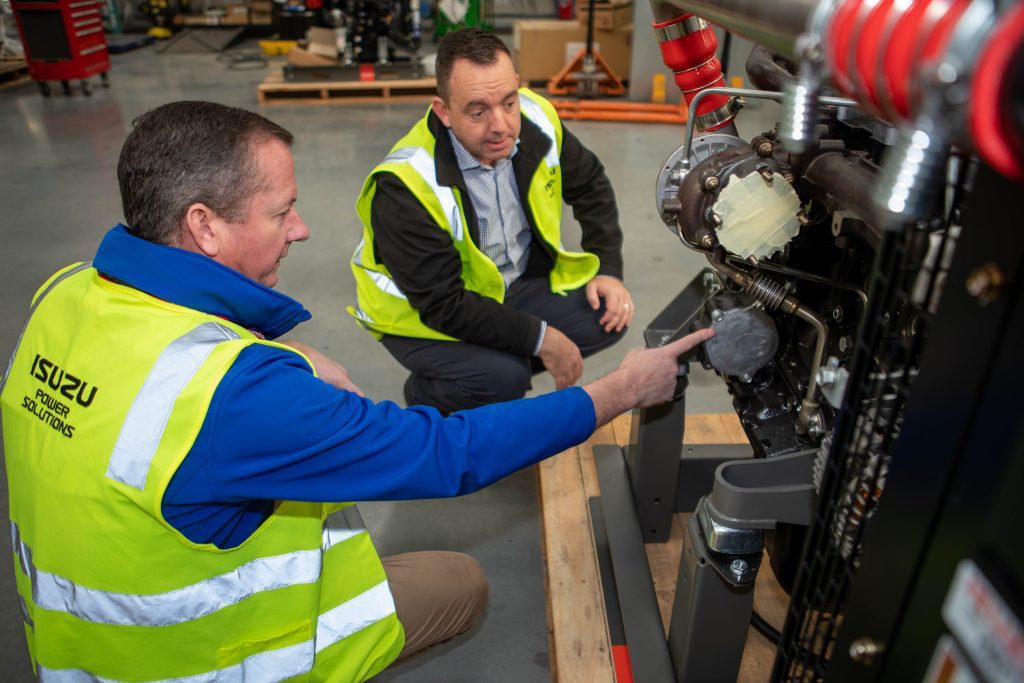
It’s not just about the engine
There’s a common assumption that once you’ve selected the right diesel engine, the job is largely done.
In practice, that’s rarely the case.
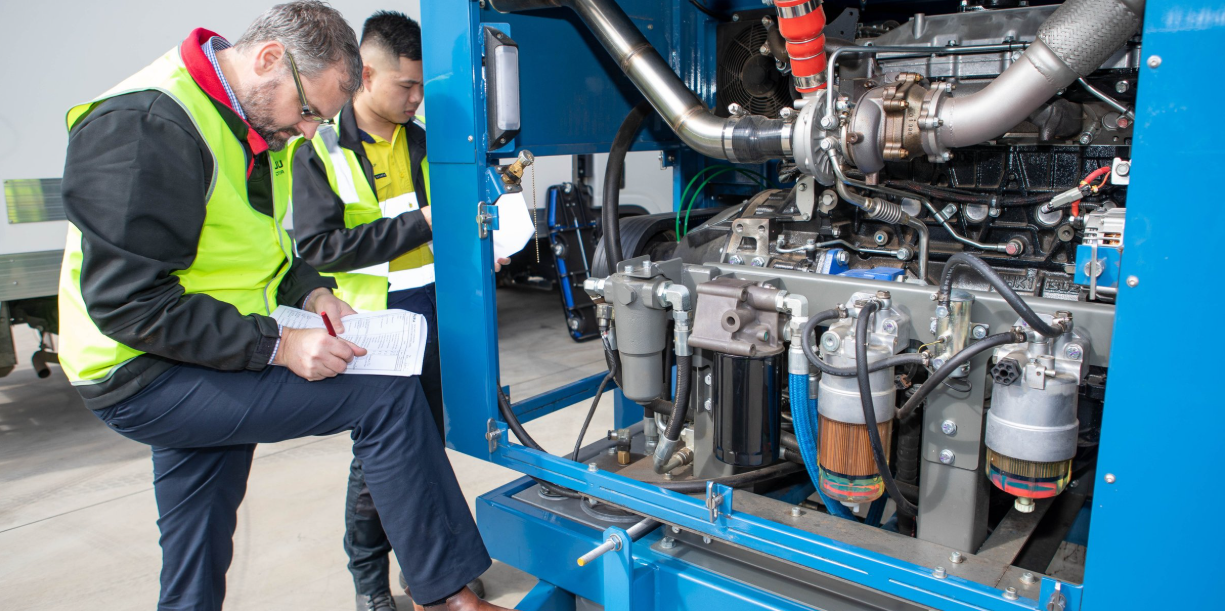
Modern diesel engine performance is shaped by everything around the engine: cooling systems, air handling, exhaust treatment, controls and auxiliary loads. How these systems are configured and interact under real operating conditions has a direct impact on outcomes.
Integration is a defining factor in diesel power system performance.
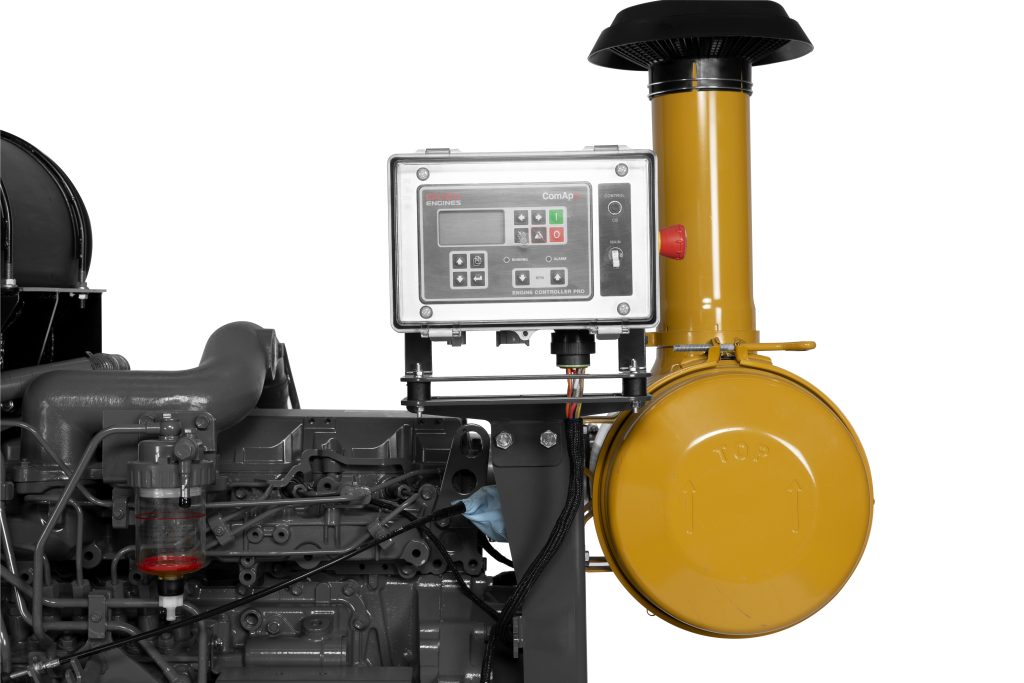
The diesel engine integration spectrum: flexibility and control
Diesel power solutions generally fall across a spectrum, from base engines through to fully engineered systems. Each level offers a different balance of flexibility, complexity and risk.
At one end of the spectrum are OEM diesel engines.
These are typically supplied as standalone units and are well suited to applications where the manufacturer or operator wants full control over integration. They’re commonly used in custom builds or as replacements for existing equipment across industries such as construction, mining, agriculture and marine.
This approach suits organisations with strong in-house engineering capability. However, system design, integration and validation remain the responsibility of the end user.
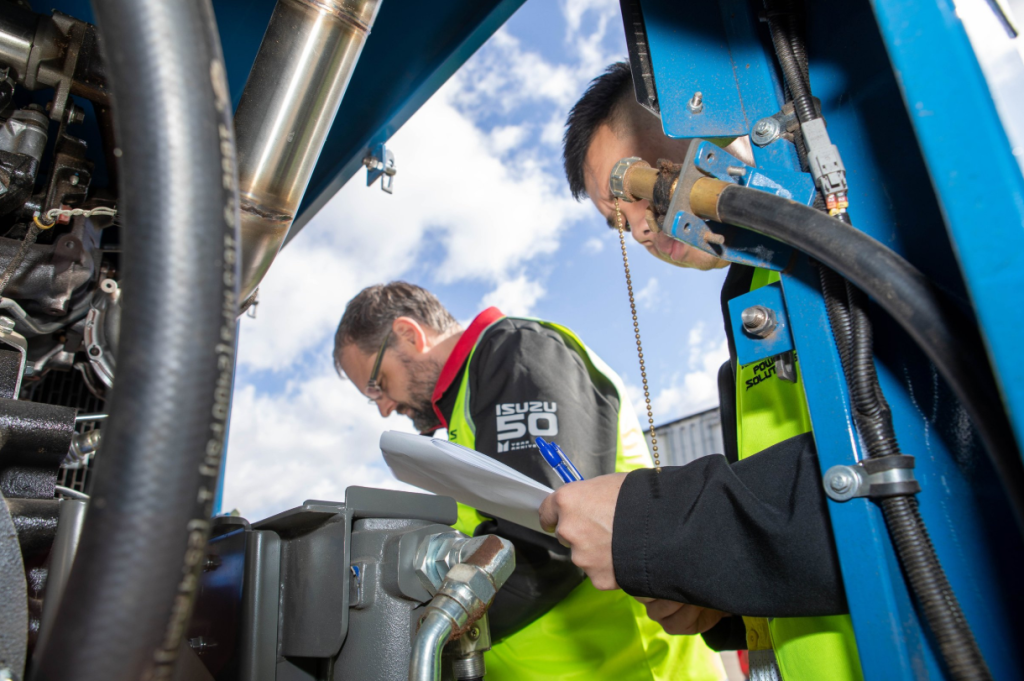
Made to stock power units: proven & ready to deploy
Moving along the spectrum, Made to stock power units provide a step up in integration.
These diesel power units are pre-configured and tested for common applications such as water pumping or hydraulic systems. They are supplied ready to operate, reducing the need for additional engineering work prior to deployment.
For many applications, this offers a practical balance between reliability and simplicity.
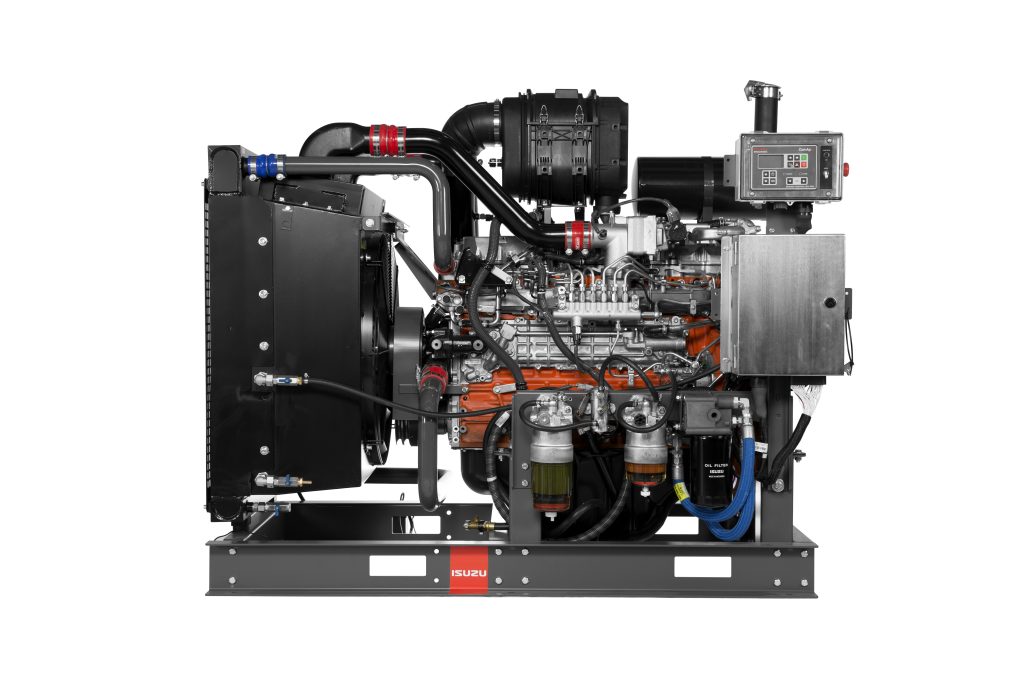
Assembled power units: tailored without starting from scratch
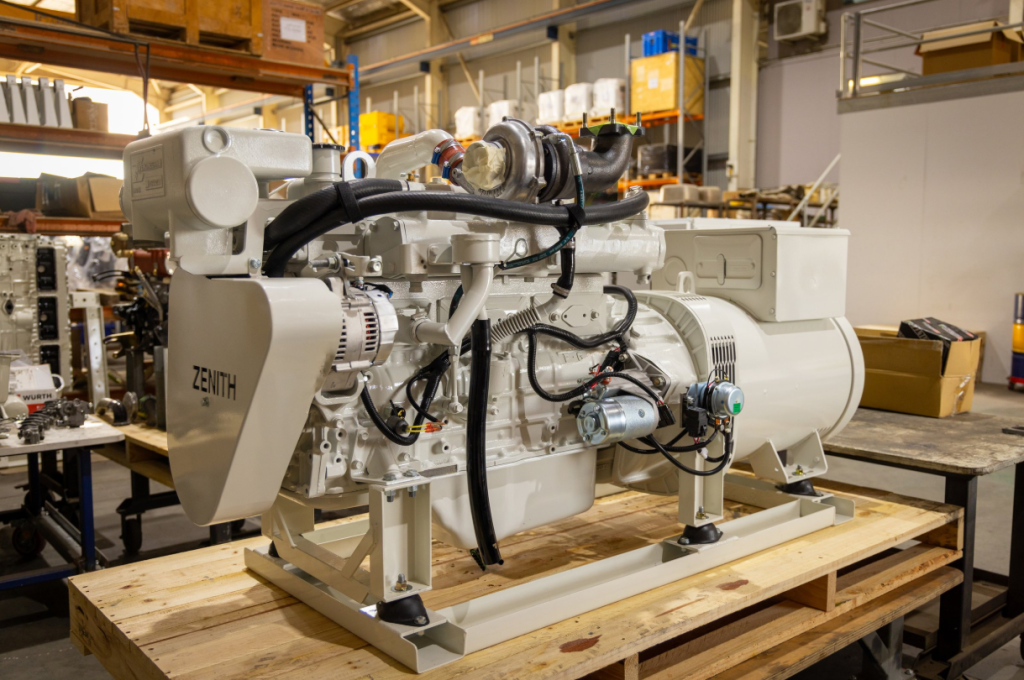
Where requirements begin to diverge from standard configurations, assembled power units offer additional flexibility.
These systems are configured to suit specific application needs. This may include customised exhaust layouts, specialised cooling arrangements or other integration-driven modifications.
They retain the benefit of being assembled and tested prior to delivery, while allowing for a higher degree of alignment with operational requirements.
Engineered systems built for the application
At the far end of the spectrum are engineered diesel power systems.
These are bespoke solutions developed for applications where standard or semi-standard options are not sufficient. This can include specialised power generation systems, unique operating environments or complex control requirements.
Projects at this level typically involve close collaboration between engineering teams to design, integrate and validate a system that meets specific performance criteria.
Why diesel power integration matters
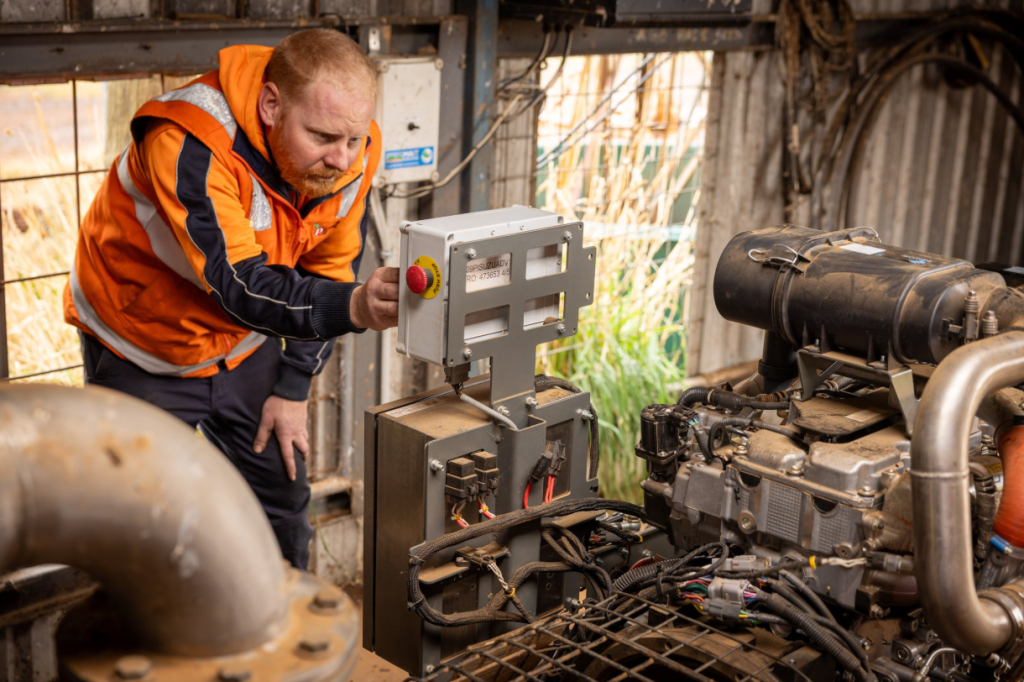
As applications become more demanding, the consequences of poor diesel engine integration become more visible.
Common issues include increased fuel consumption, higher thermal loads and cooling challenges, reduced engine life due to system mismatch, performance limitations under variable load conditions, and increased maintenance and downtime.
By contrast, well-integrated diesel power systems are able to deliver consistent performance across duty cycles, optimise fuel efficiency, reduce mechanical stress and wear, and improve overall reliability.
In many cases, the difference between acceptable performance and optimal performance comes down to integration.
Matching integration to your application
Choosing the right level of diesel power unit integration depends on the application.
Key considerations include:
- Duty cycle (continuous or variable load)
- Operating environment (temperature, dust, load intensity)
- Engineering capability (internal resources and expertise)
- Uptime requirements (critical vs non-critical operations)
- Customisation needs (standard vs specialised solutions)
Simpler applications may only require a base engine or a standardised power unit.
More demanding environments such as mining, irrigation, emergency services or continuous power generation often benefit from higher levels of integration to ensure consistent performance.
Integration as a performance lever
It’s easy to focus on diesel engine specifications such as power output or displacement.
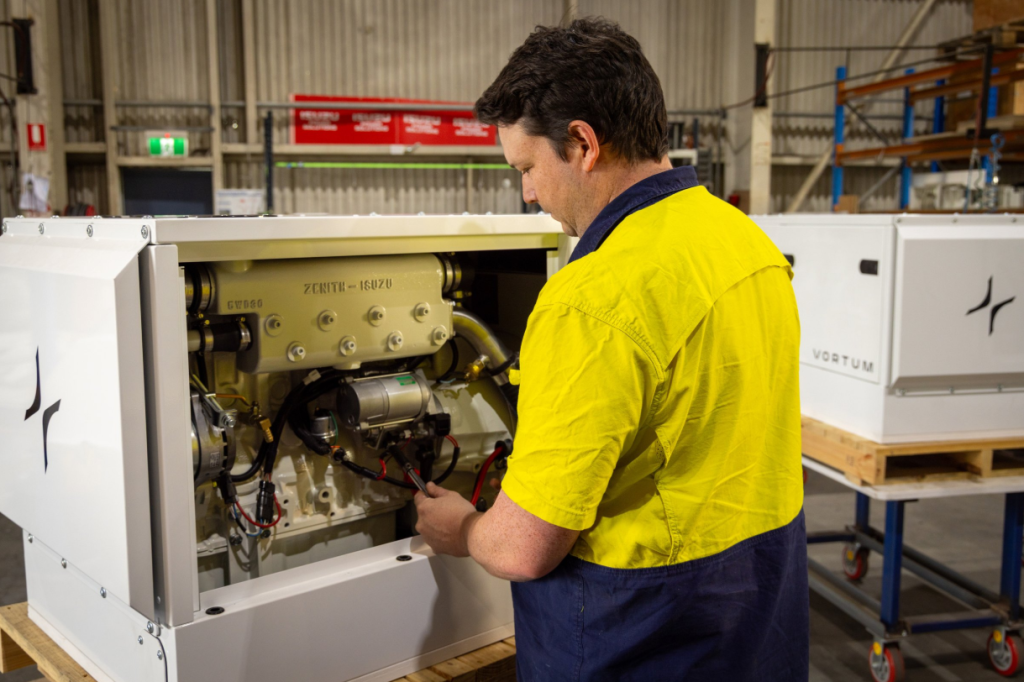
However, real-world performance is shaped just as much by auxiliary systems and components beyond the engine itself, including airflow and exhaust management, cooling system efficiency, auxiliary load demand, and control and automation systems. Optimising these elements can unlock meaningful gains in efficiency and reliability without changing the engine itself.
The bottom line
There is no one ‘correct’ diesel power solution.
The right level of integration depends on how the engine will be used, the environment it will operate in and the level of control required over the final system.
What is consistent is this: the closer the alignment between the power unit and its application, the better it will perform over time.
And that alignment is achieved through integration.