Established in 1949, in post-war Germany, the Liebherr Company first started as a small construction firm that was managed by Hans Liebherr. Owned by his parents, it manufactured construction machinery and other domestic construction equipment. In the 1950’s, it expanded its product range and included hydraulics excavators as well as refrigerators in the list. In the 1960’s it indulged in aeronautical activities, and in 1996 changed its name to Liebherr-Aerospace Lindenberg GmbH.
Now, it is a leading producer of refrigeration appliances, construction machines, mining equipment, mobile crawler and cranes, material handling vehicles, maritime cranes, aerospace and transportation systems, gear cutting and automation machinery, and high performance components.
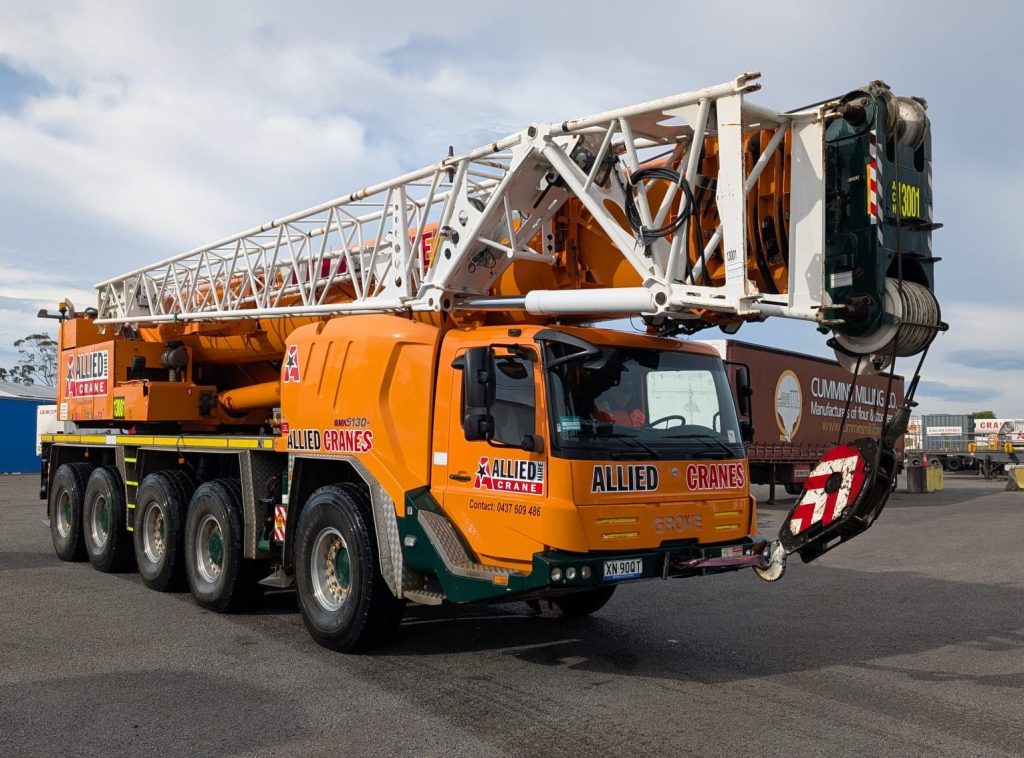
27 Aug,2026 - Presented by Manheim August 26, 2026 Leading heavy equipment auction provider, Manheim Industrial Australia, is proud to present a major crane liquidation auction in New South Wales on behalf of SV Partners. The Major Cranes Liquidation sale featuring quality used cranes and support equipment is based out of Manheim’s Beresfield site in Newcastle, with ...
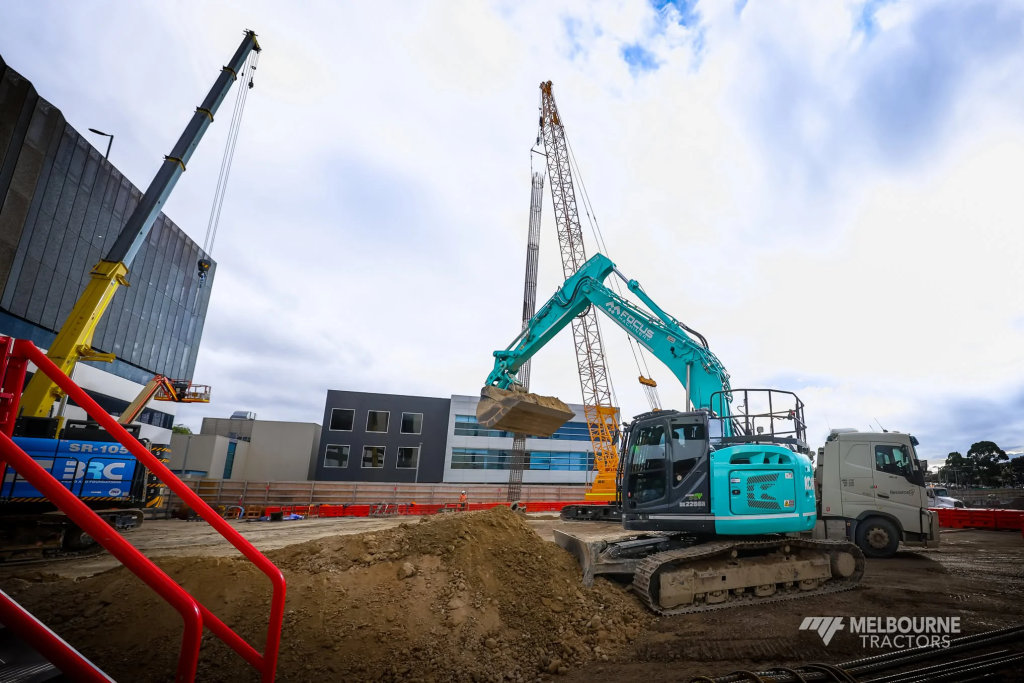
11 Sep,2026 - Presented by Melbourne Tractors (T/A Brisvegas Machinery) On major infrastructure projects, managing the interaction between people and mobile plant remains a critical safety challenge. As worksites become more complex, technology is providing operators with greater visibility and situational awareness around the machine. A recent visit to Suburban Rail Loop (SRL) Glen Waverley project, provided ...
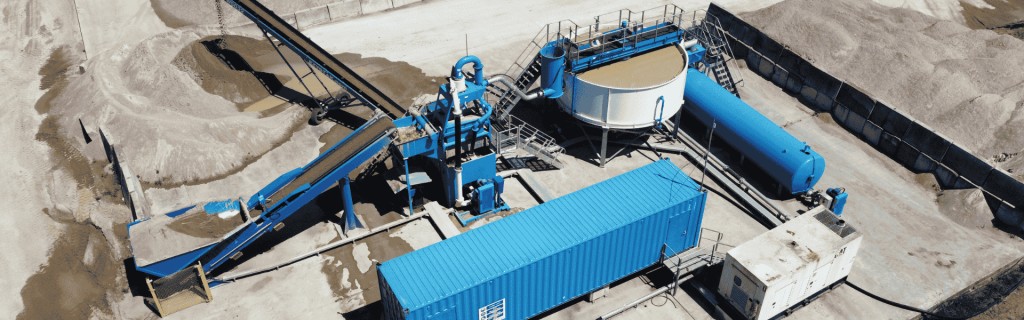
11 Sep,2026 - Presented by CDE Group Need for a New Sand Supply Solution As Featured in Quarry December 2025 issue. Bolwarra Enterprises managing director Ian Kidner does not hold back when describing the impact of CDE Group’s sand washing plant at Wongabel Quarry. With more than 40 years of experience in the quarrying sector, he ...
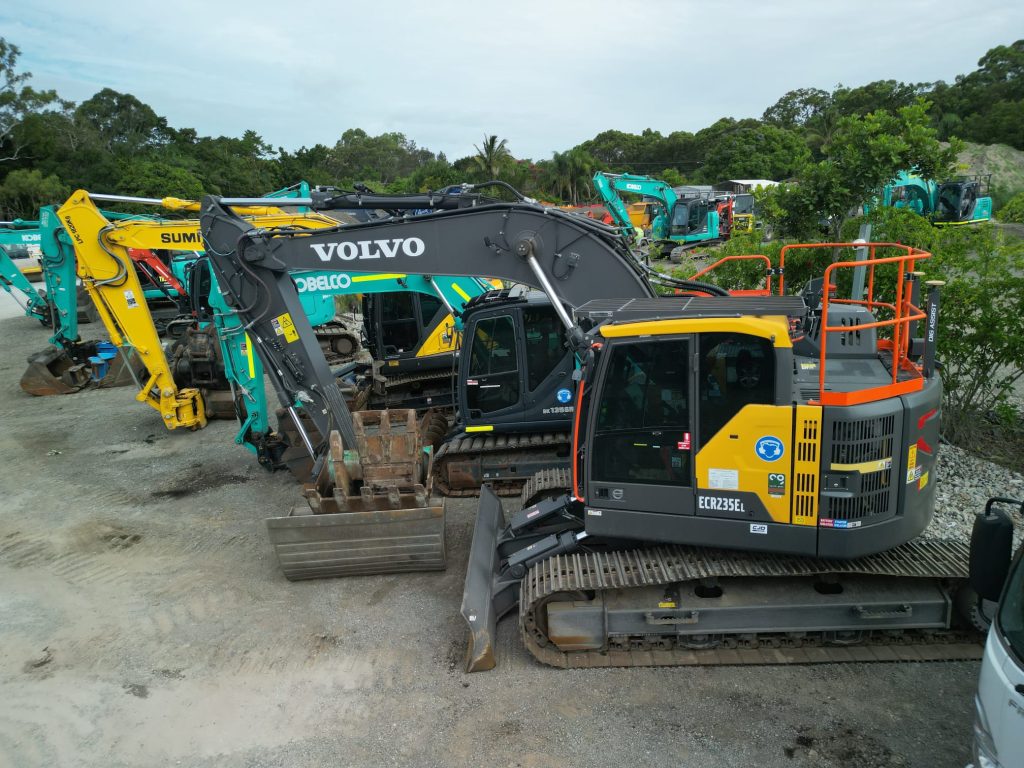
22 Oct,2026 - Presented by Earth Gear Australia Downtime rarely starts when a machine stops. On civil sites, it often starts earlier: when a machine is accepted as “available” without being physically validated, a service interval is pushedpast a production window, a hydraulic issue is monitored rather than addressed, or no replacement path has been agreed for plant on the critical path. ...

No videos available.