

Of all the Terex AT20 models listed 96.05% have been listed by professional machinery sellers, 3.95% by private businesses. There are currently 2 items for AT20 listed in Australia from 2 professional sellers and 0 private businesses.
Historically Terex AT20 models have been listed between $2,850 and $400,000, averaging at $173,216. The current average price of a AT20 listing is $122,500.
Terex AT20 models are historically listed by sellers in Crane and Roller Compactors categories. Terex AT20 models make up % of historic Crane enquiries, and % of all Terex enquiries.
The most common years of Terex AT20 manufacture listed are: 2008, 2004 and 2009.
Buyers who enquired on Terex AT20 models have also recently enquired on:
Terex AT20-3
Terex MAC25
Toyota TG10
Toyota 62-6FD25
Toyota 62-8FD25
work horse XH-SBC1200
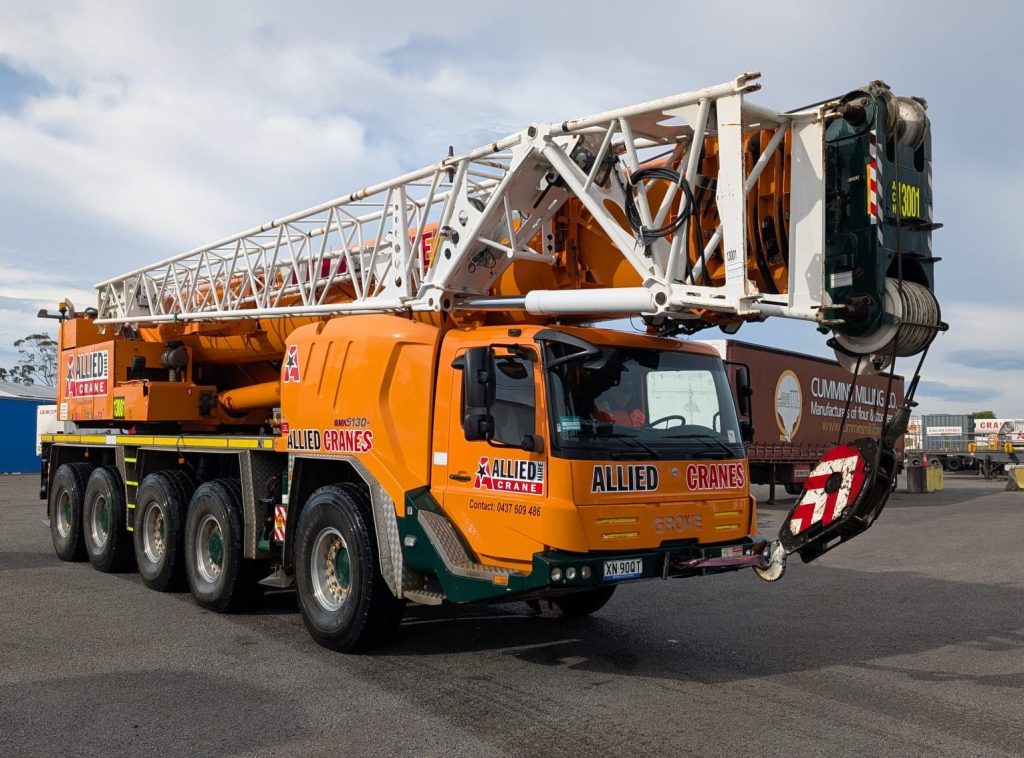
27 Aug,2026 - Presented by Manheim August 26, 2026 Leading heavy equipment auction provider, Manheim Industrial Australia, is proud to present a major crane liquidation auction in New South Wales on behalf of SV Partners. The Major Cranes Liquidation sale featuring quality used cranes and support equipment is based out of Manheim’s Beresfield site in Newcastle, with ...
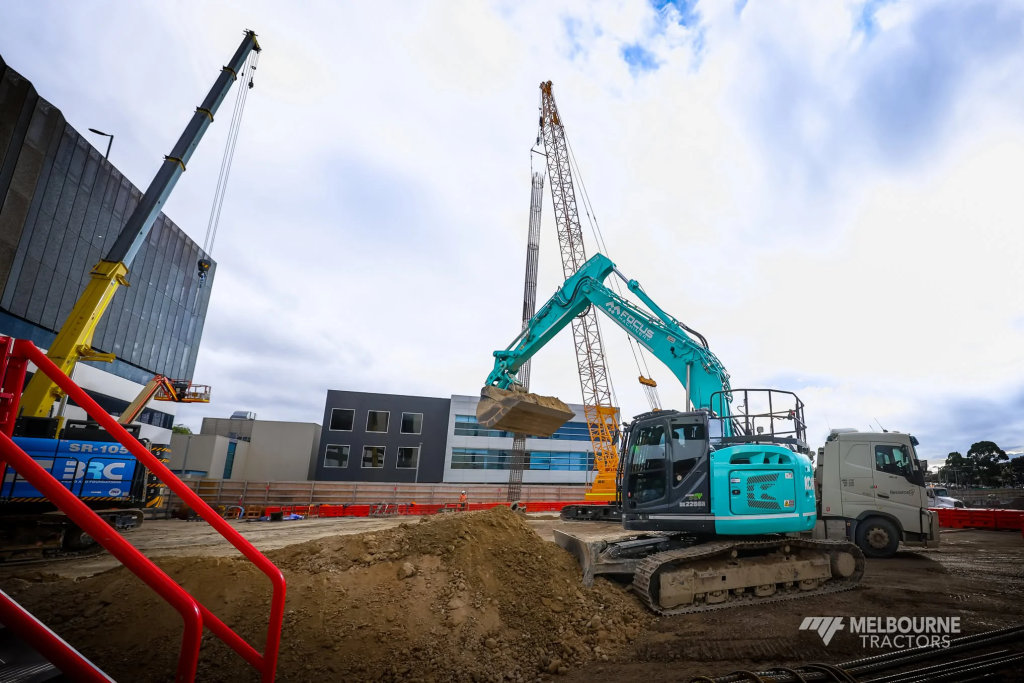
11 Sep,2026 - Presented by Melbourne Tractors (T/A Brisvegas Machinery) On major infrastructure projects, managing the interaction between people and mobile plant remains a critical safety challenge. As worksites become more complex, technology is providing operators with greater visibility and situational awareness around the machine. A recent visit to Suburban Rail Loop (SRL) Glen Waverley project, provided ...
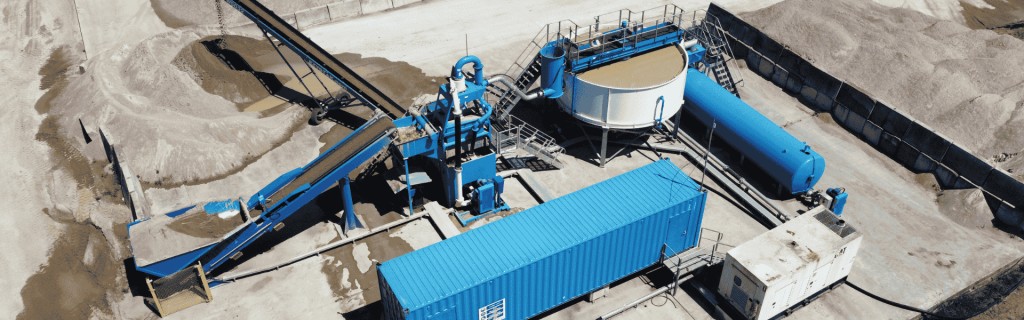
11 Sep,2026 - Presented by CDE Group Need for a New Sand Supply Solution As Featured in Quarry December 2025 issue. Bolwarra Enterprises managing director Ian Kidner does not hold back when describing the impact of CDE Group’s sand washing plant at Wongabel Quarry. With more than 40 years of experience in the quarrying sector, he ...
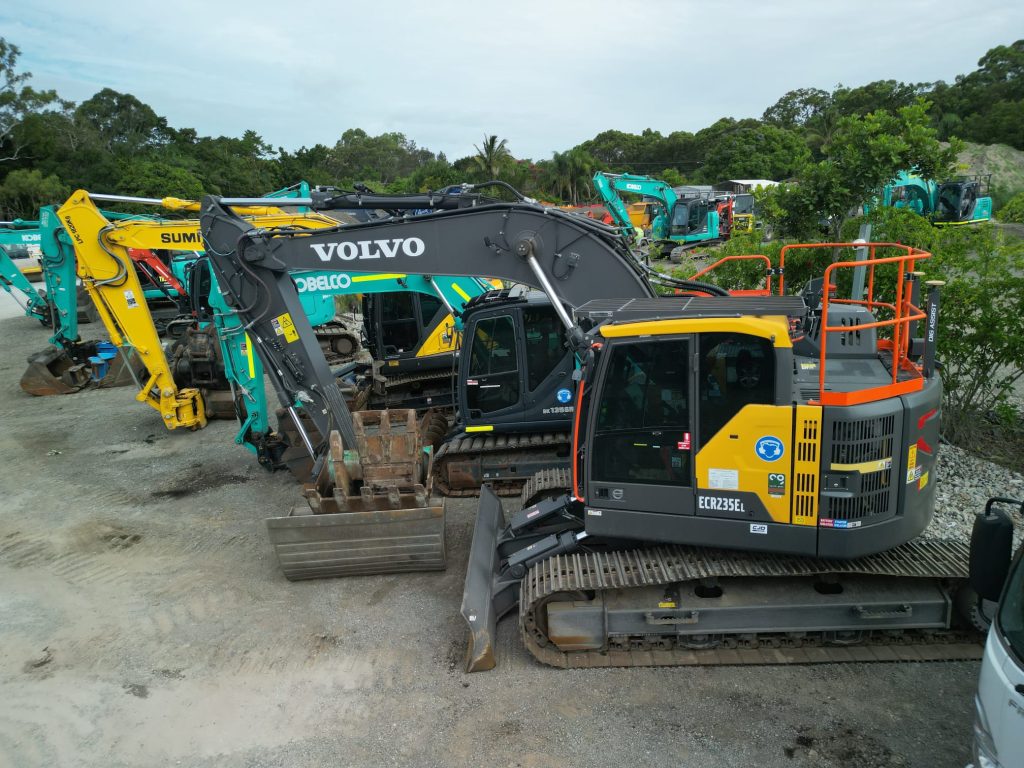
22 Oct,2026 - Presented by Earth Gear Australia Downtime rarely starts when a machine stops. On civil sites, it often starts earlier: when a machine is accepted as “available” without being physically validated, a service interval is pushedpast a production window, a hydraulic issue is monitored rather than addressed, or no replacement path has been agreed for plant on the critical path. ...


