

Of all the Hyundai 210 lc-9 models listed 80.00% have been listed by professional machinery sellers, 20.00% by private businesses. There are currently 1 items for 210 lc-9 listed in Australia from 1 professional sellers and 0 private businesses.
Historically Hyundai 210 lc-9 models have been listed between $60,000 and $90,000, averaging at $73,875. The current average price of a 210 lc-9 listing is $67,500.
Hyundai 210 lc-9 models are historically listed by sellers in and Excavator categories. Hyundai 210 lc-9 models make up % of historic Excavator enquiries, and % of all Hyundai enquiries.
The most common years of Hyundai 210 lc-9 manufacture listed are: and 2016.
Buyers who enquired on Hyundai 210 lc-9 models have also recently enquired on:
hyundai R320LC-9
hyundai ROBEX 210LC-7
kobelco SK210-8
komatsu PC228US-8
loadmaster STEP DECK
SEC 20 TON

21 Jun,2017 - Walking excavators are the mountain goats of the machine world. No matter how crazy the terrain, these agile excavators have the skills to traverse it. Yet their application is so specific, not a lot of people even know they exist. So, for those who are curious, and those who might be able to use them ...
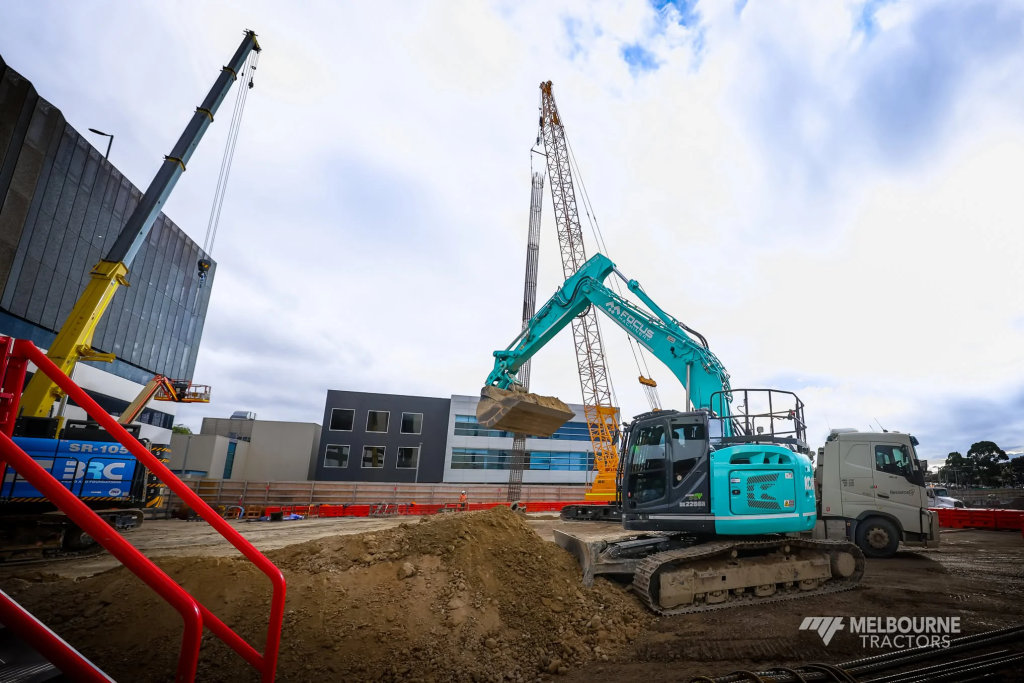
11 Sep,2026 - Presented by Melbourne Tractors (T/A Brisvegas Machinery) On major infrastructure projects, managing the interaction between people and mobile plant remains a critical safety challenge. As worksites become more complex, technology is providing operators with greater visibility and situational awareness around the machine. A recent visit to Suburban Rail Loop (SRL) Glen Waverley project, provided ...
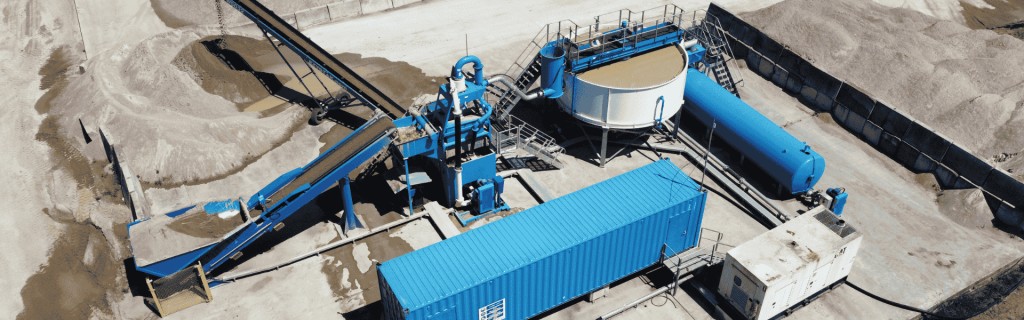
11 Sep,2026 - Presented by CDE Group Need for a New Sand Supply Solution As Featured in Quarry December 2025 issue. Bolwarra Enterprises managing director Ian Kidner does not hold back when describing the impact of CDE Group’s sand washing plant at Wongabel Quarry. With more than 40 years of experience in the quarrying sector, he ...
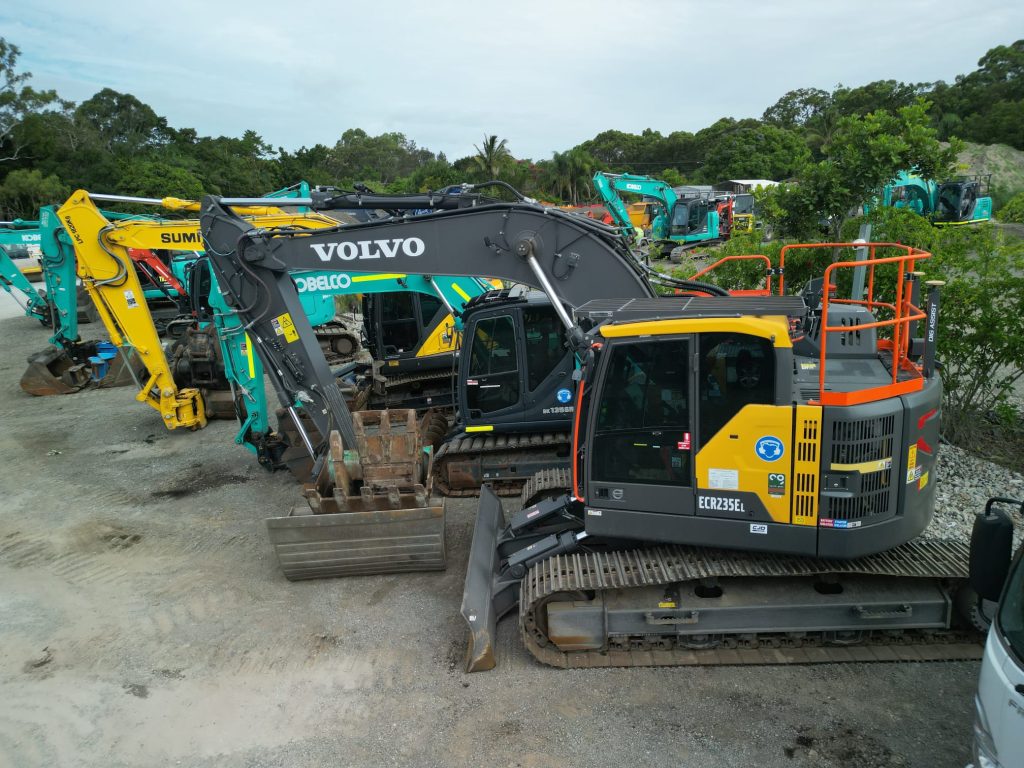
22 Oct,2026 - Presented by Earth Gear Australia Downtime rarely starts when a machine stops. On civil sites, it often starts earlier: when a machine is accepted as “available” without being physically validated, a service interval is pushedpast a production window, a hydraulic issue is monitored rather than addressed, or no replacement path has been agreed for plant on the critical path. ...


